How Buildings Just Became the Ultimate Video Hook
Think about the last time you actually paid attention to a billboard...
Not just glanced at it. Actually stopped, looked, and remembered what it was selling. Unless it was on fire or falling down, you probably can’t remember one. We’ve all developed severe ad blindness. We drive past massive steel structures wrapped in vinyl, and our brains just filter them out as background noise
Now, imagine standing on a sidewalk in Dubai, looking up at the Burj Khalifa.
Suddenly, the entire 828-meter spine of the building ripples with light. It’s not just illuminated; the building itself is playing a high-definition movie trailer. It’s fluid. It’s massive. You don’t just look at it—you immediately pull out your phone, hit record, and post it to your stories.
That right there is the difference between dead concrete and a living, breathing media asset.
We are watching the total reinvention of outdoor advertising. The era of slapping a two-dimensional, printed banner onto the side of a commercial skyscraper is over. Enter the building digital advertisement.
Architectural structures are waking up, and the technology powering this shift—digital facade advertising—is finally breaking out of the billionaire-developer bubble and hitting the mainstream market.
Here is exactly how the buildings of tomorrow are being engineered to capture our attention today.
The Tech Behind the Illusion: What Are Pixel Dots?
What Are Pixel Dots?
Let’s strip away the heavy engineering talk for a second. How do you turn a functioning corporate headquarters into a giant television screen without plunging the people working inside into total darkness?
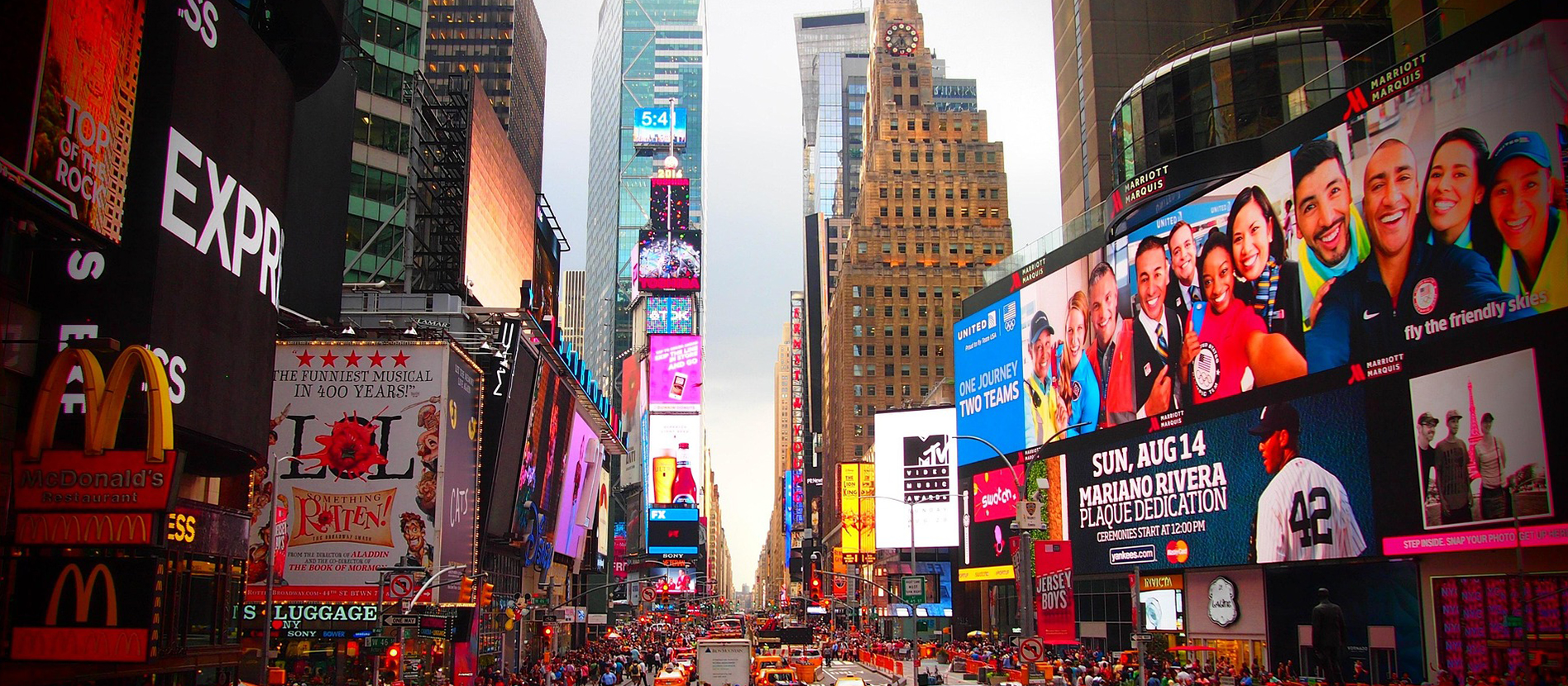
If you look at the iconic screens in Times Square, they are basically just massive, heavy iPads bolted to a wall. They are solid blocks. You can’t see through them, and they block all the natural sunlight from getting into the building.
Modern architectural LED displays use thousands of programmable LED nodes instead of solid screens.
Instead of building one giant, solid screen, engineers use thousands of individual, highly programmable LED nodes—think of them as tiny, brilliant dots of light. These dots are meticulously strung along the natural lines of a building. They get embedded right into the steel framework, the architectural louvers, or the vertical glass fins that already exist on the facade.
The Optical Trick: Here is why this works so beautifully. Because there is physical space between every single LED node, the people sitting at their desks inside the building can still look right out the window. The sunlight still pours in.
But when you step back and look at the building from half a mile away, your eyes naturally blend all those thousands of separate dots together. The gaps disappear. The building suddenly looks like a seamless, high-definition canvas.
You get the jaw-dropping scale of media facades without ruining the actual livability of the building. The structure does its job, while the skin of the building goes to work capturing eyeballs.
Bridging the Gap:
The Podcast That Unpacked the Shift It’s incredibly easy to look at a mega-project like the Burj Khalifa and brush it off. You think, “Sure, with a bottomless, billion-dollar budget, you can make a building do anything.”
Our founder Varnika Gupta sat down with Mr. Ravi, Founder of RCX Lights, to discuss how digital facade advertising is moving beyond billion-dollar landmarks and becoming accessible for mainstream commercial real estate.
The conversation explored how everyday commercial buildings can become revenue-generating digital assets and why developers are beginning to view their facades as media platforms rather than static architecture.
From pixel-dot technology to large-scale advertising opportunities, the episode breaks down how the future of outdoor advertising is being built directly into the skylines of tomorrow.
Shark Tank India
The Ultimate Market Validation if you want absolute, concrete proof that this market is about to explode, look at what happens when you put this tech in front of aggressive investors.

Mr. Ravi recently walked onto the set of Shark Tank India (Season 5). Pitching a B2B hardware and infrastructure company on consumer television is a massive gamble. The Sharks usually want something simple—a new energy drink, a clothing brand, an app they can download right then and there.
Instead, Ravi pitched a Shark Tank India lighting startup that literally rewires how property owners make money
And the Sharks bit. Hard.
His pragmatic, disruptive approach to creative lighting immediately hooked Aman Gupta from boAt. Aman isn't just a guy with a checkbook; he is a masterclass in brand building and the attention economy. He instantly understood that RCX Lights is fundamentally an advertising revolution disguised as a hardware pitch.
The Reality Check: Smart capital isn’t looking to fund a slightly brighter lightbulb. Smart capital looks for platforms that turn dead space into high-yield passive income.
A massive chunk of Varnika and Ravi’s podcast conversation revolved around this specific Shark Tank moment. Aman Gupta didn't offer a deal just because the lights looked cool.
He offered a deal because the math is undeniable. If you can lower the barrier to entry for a building digital advertisement, then every single property owner, developer, and brand in the country is going to want to turn their real estate into a screen. It’s a completely untapped goldmine.
Why Brands & Property Owners Can’t Ignore This (The ROI)
Let’s get down to the actual bottom line. Why should a CMO or a commercial developer actually care about programmable pixel dots?
Because it fundamentally rewrites the ROI of physical space.
Viral Brand Recall
Unmatched Brand Recall (The Viral Loop): Like we said earlier, consumers are blind to standard ads. We scroll past them online, and we drive past them on the street. But when a 30-story skyscraper is cascading with a brand’s colors and motion graphics? People physically stop in their tracks. They film it. They share it organically. You aren't just buying ad space; you are buying an organic viral loop. The reach of digital facade advertising blows traditional out-of-home (OOH) media out of the water.
Passive Income
Usually, once a developer fills a building with tenants, the revenue is capped. The square footage is the square footage. A digital facade flips that script entirely. It turns the exterior of the property into a massive, high-margin cash register. Owners can lease out daily or weekly time slots on their building’s exterior, cycling through premium advertisers and unlocking a secondary revenue stream that requires almost zero ongoing physical maintenance.
Landmark Status
You don’t need to hire a world-famous architect to have the most famous building in the city anymore. Smart lighting and digital facades instantly transform a forgettable, standard glass-box building into an iconic local landmark. You become the building that everyone uses for directions. You become the anchor of the skyline.
The Future is Illuminated
The days of static, silent cities are ending. The future of architecture is interactive, fluid, and fiercely competitive
We are rapidly moving away from constructing buildings that just take up physical space. The next generation of commercial real estate will communicate, entertain, and generate serious capital long after the sun goes down.
And the best part? The democratization of this staggering technology isn't a pipe dream for 2035. It is happening right now. Founders like Ravi are proving that the glowing skyline doesn't just belong to Dubai or New York—it belongs to anyone ready to rethink what a building can do.
Want to hear exactly how this massive shift is playing out on the ground?
Listen to the full conversation between Varnika Gupta and Mr. Ravi right here. Get the behind-the-scenes story of his Shark Tank India deal, and learn exactly how RCX Lights is turning everyday concrete into the ultimate media asset.
Watch the Full Podcast
Listen to the complete conversation between Varnika Gupta and Mr. Ravi (Founder of RCX Lights) as they discuss digital facade advertising, pixel-dot technology, Shark Tank India, and the future of smart building media.
- ✓ How digital facades transform buildings into media assets
- ✓ The Shark Tank India investment story
- ✓ Pixel-dot technology explained
- ✓ Future of outdoor digital advertising